
Welcome to Elea.notes, a newsletter about tech, writing and creativity. Sign up if you haven’t.
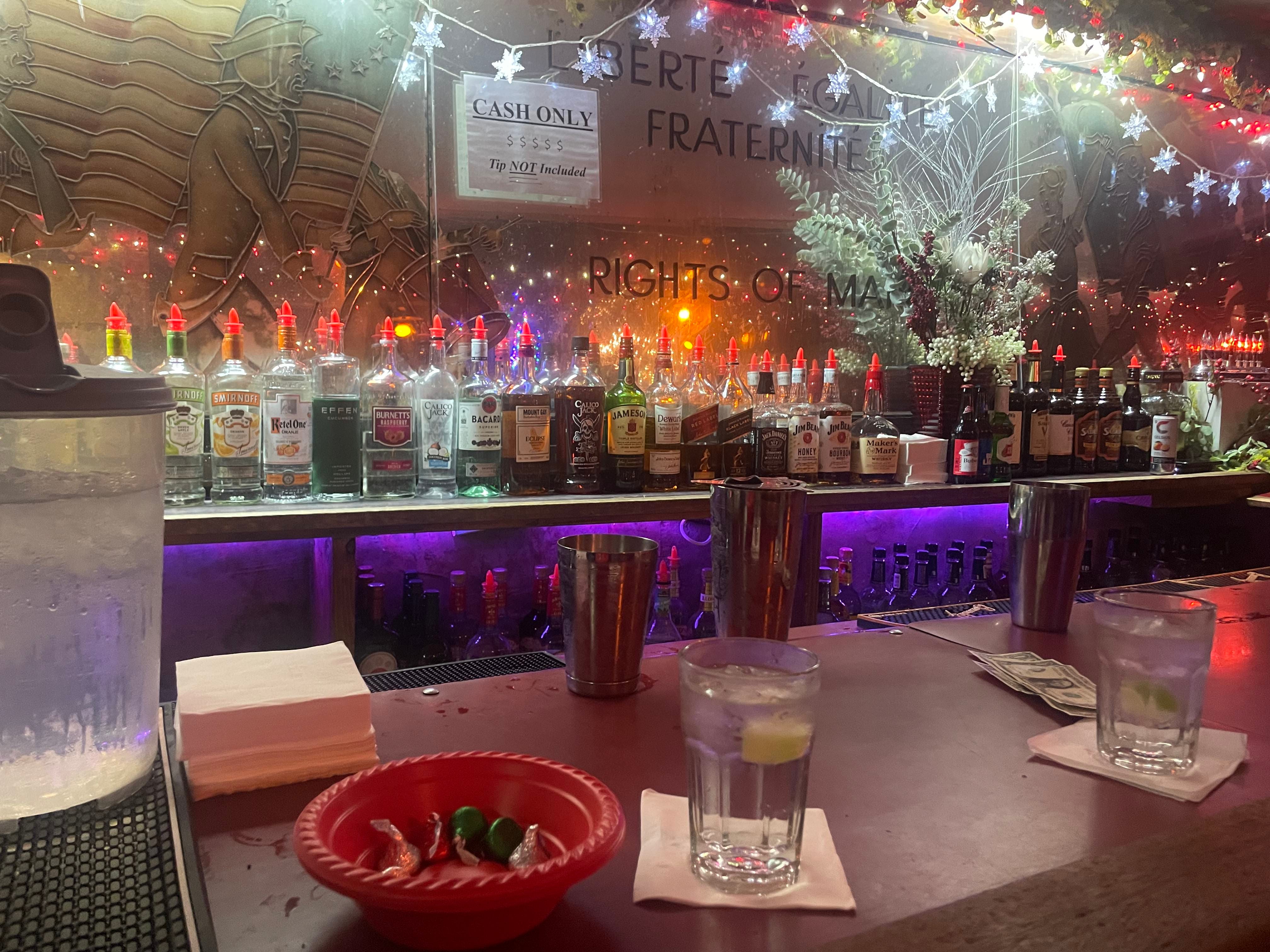
Greetings from a dive bar in New York City that hosts non-stop Broadway sing-alongs from 4 p.m. into the wee hours! For this newsletter’s last edition, I am sharing some reflections on tech, media, and the micro, alongside images of some favorite memories from the past 12 months.
Reflection 1: Writing is still hard—and AI can’t fix this
This year reminded me again that good writers are hard to find, and poor writing is often more a problem of logic than anything else. Generative AI text-generation tools may be able to help with the simple generation of prose, but given that they are probability machines, they cannot solve the logic issue.
I recently edited an article that opened with a hypothetical anecdote about a company firing one of its software vendors. The descriptive and gripping anecdote was precisely the kind of spice needed to make an article about software sales compelling. But it didn’t work.
I finally realised it was because the anecdote was written from the point of view of the customer, while the article was written for software vendors. Once this misalignment was fixed, it flowed. AI did not—and could not—have caught this.
The good news is that this means the arbitrage still exists for what I call “content-edge individuals”—people who use writing to build an edge in their industry. I’ve profiled a few of those individuals here, such as investor Sarah Drinkwater and founder David Jarvis.
What I’m watching ahead:
AI will make content-edge individuals more valuable, not less. In venture, AI is commoditizing data processing and pattern recognition. When everyone has those capabilities, your personal network and the access it provides become the real differentiator. Not only does writing help you clarify thinking, it helps you build your network.
Reflection 2: More media fragmentation; find your tribe
Commoditized news and journalism financed by digital advertising are taking their last breaths. We’ll continue to see a bifurcation between large, general news outlets (I believe only 4-5 large ones will eventually survive in English) and niche publications run by journalists, but also commentators, creators, and influencers.
This makes media relations a lot more difficult for all but the biggest companies, so I have been counseling founders and investors to leverage those niche communities through collaboration.
One caveat: production quality matters. Many of these smaller outlets don’t have the polish of traditional media. I’ve seen VC tie-ups with emerging creators where the poor production—bad lighting, rough audio—actually hurt the VC’s brand. My advice: if you’re partnering with a newer publication, offer to cover production costs. A good studio and proper equipment benefit both sides.
What I’m watching ahead:
As traditional media fragments, companies will have to deliver their message themselves. That makes me bullish on LinkedIn despite the slop. Substack still feels creative, but watch for it to turn corporate as comms teams discover it. Nike already launched on Substack earlier this year.
Also, if you want to make some money, become a B2B software influencer on YouTube in 2026. YouTube videos are strong feeders for citations in LLMs, so companies want to place their stories there. Plus, few traditional media outlets cover B2B SaaS from a product angle anymore.
Reflection 3: Good times continue
I had lunch with GW this week, who works in the energy industry and has attended a few data center conferences this year. He described a two-day blowout that included a golf tournament, a boat party…and only six hours of actual content. How can I get a ticket?
The debt financing these blowouts and buildouts has started to raise alarm bells, but the party is likely to continue for a while because there’s demand and revenue to justify loans. Whether these are good assets is a question for later.
Meanwhile, the real signal for AI’s value isn’t infrastructure—it’s usability. And usability doesn’t depend on billions in data center spend. It also doesn’t depend on models that are that much better than they are now. It starts with individuals: people figuring out how to make these tools actually work for them, day to day.
Prediction
Natural language was supposed to democratize AI, but prompting is still counterintuitive, and most people don’t have the skills to work with agents. When do we get truly intuitive and simple ways for people to automate their work? I mean as simple as buttons.
Reflection 4: Where the real story is
I have over-indexed on interviews with women in this publication for obvious reasons. This focus has revealed an important but overlooked trend: more women, even those who might not have seen themselves as entrepreneurs, using AI to scale themselves and their businesses.
Since I started working in venture in 2018, people have been talking about how the tools to build a business were cheaper than ever. Now, I feel like the cost of building has been truly leveled with tools like Claude Code and Loveable. Will we see any VCs with “women vibecoding” theses? I wish!
The interviews here have also given me something else: inspiration. Creatives like games translator Lucile Danilov are advocating for themselves in a world that has devalued creativity and quality. These are the stories I want to continue to follow in 2026.

Thank you to everyone who sent me comments and thoughts—I love hearing from you. Gratitude to Thomas, James, Éanna, Anisah, Olly, Kim, Anais, Matt, and all the others who looked at drafts or helped me brainstorm.
I will pick back up again in early January after some much-needed rest!