



Happy June! I spent the last two weeks tracing the vestiges of the Silk Road through Uzbekistan and hit the ground running the day after my return at SXSW London. So this edition is a grab bag: stories from my trip that inspired how I’m thinking about writing and narrative, plus some thoughts from the conference.
Fun announcement: Journalist and kindred wordsmith spirit Alys Key and I found the most uncool spot at SXSW—the LinkedIn lounge—to hatch the coolest of plans. We’re starting the Founder-Writer Collective to bring together founders who write and writers who build in London. Our first event will be on June 16 — stay tuned for details. And check out Alys’s always excellent UK 2.0 newsletter.
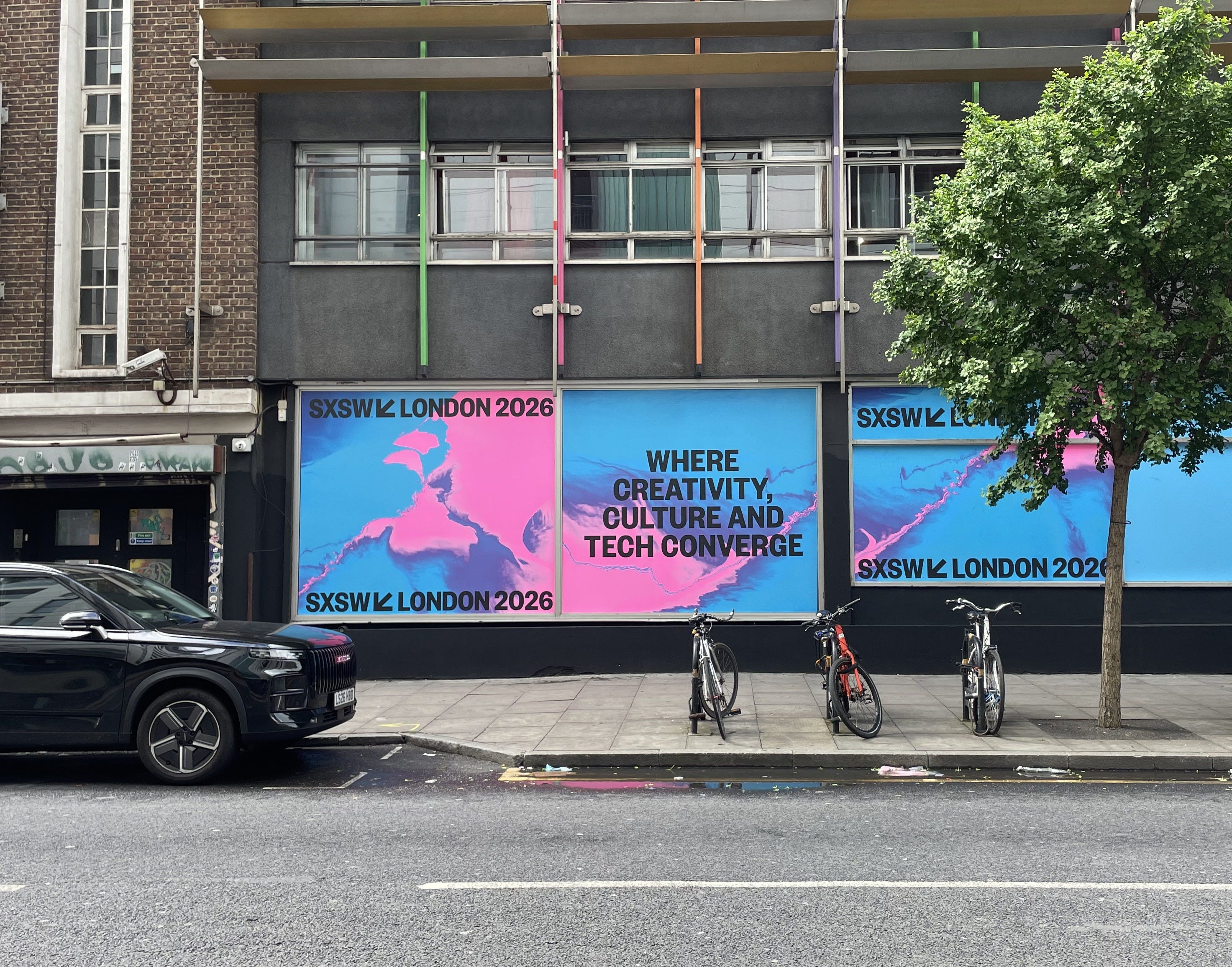

The highlight of my SXSW was leading an hour-long discussion on AI and writing with 25 people from advertising, content, consulting and television. Takeaways:
Generational friction is real. One attendee who runs her own communications firm shared that her younger staff are resistant to using AI when in her view, the case for tech — it would help them take on more work and increase revenue — was clear. She’s struggling to make the case for AI to them.
An early-career attendee said that she often had imposter syndrome about her own abilities after being pushed to use AI by her bosses. Could she really achieve the same level of output with her brain alone?
People are thinking hard about their edge over AI. One attendee said he’s giving staff at his consultancy coaching on topics like public speaking and how to sell their ideas because he sees that as their “moat” against AI. Another writer said they believe their moat is getting decisions made with others. Another attendee said that understanding culture and dialects is his differentiator.
Hacking your own brand guidelines can reveal lazy AI use. One Googler shared that Google’s guidelines for UX writing discourages using periods or punctuation. So his internal AI tell is when someone shares punctuated text!
Receipts = less anxiety, more honest conversations. One young woman about to start her career told me after the session that she felt less anxious about AI after hearing about concrete ways in which people were using it.
Another person who works in television said that she started using AI after hearing about it at SXSW last year and deciding it wasn’t as scary as it seems.
This supports my view that showing our receipts and having more forums for tech and creatives to come together fosters healthier conversations about what AI is and isn’t helpful for and deescalates the emotion around it.

Uzbek embroidery and imperfection
In Uzbekistan, you cannot throw a stone without hitting a suzani. Originally sewn by women as part of their dowry, these large works of embroidery are still being made today for use as wall decorations, pillow covers, and clothing. Suzani masters deliberately leave a mistake in each work: an unsymmetrical flower, the wrong color thread, lines unconnected. The goal is twofold. First, to show that they are not trying to imitate God’s perfection and second, that our lives are still not finished.


We have a complicated relationship with perfection. We worship perfection, yet we find too much of it off-putting. When I interviewed Victor Riparbelli, CEO of AI video company Synthesia, on stage at SXSW, he mentioned how the avatars that the company produces need to have some imperfections or human viewers find them creepy. Some people are now leaving spelling mistakes in their work to prove it’s not AI-generated, but that feels like a losing game.
The suzanis I saw made me wonder if there is a smarter way to deliberately incorporate imperfections in creative work, one that’s not defined in opposition to an enemy and instead in relation to humility or spirituality. Maybe the more interesting imperfection is a strange metaphor or word, something only a human mind would reach for.
How to kill 5% of the world and come back a hero
When Uzbekistan gained independence in 1991, its leaders decided that the fledgling country needed a hero to unite its diverse inhabitants. They settled on conqueror Amir Temur, who lived from the 1320s to 1405.
Let’s look at his hero creds. The good: he built a vast empire stretching from parts of modern-day Turkey to India and the frontier of China and used his riches to build schools and mosques. The not so good: he destroyed cities that defied him, killed roughly 5% of the world’s population at the time, and still managed to curse nations more than 500 years after his death. Nonetheless, he has been resurrected as a hero, and there are now giant statues of him in Tashkent, Samarkand, and his birthplace, Shahrisabz.
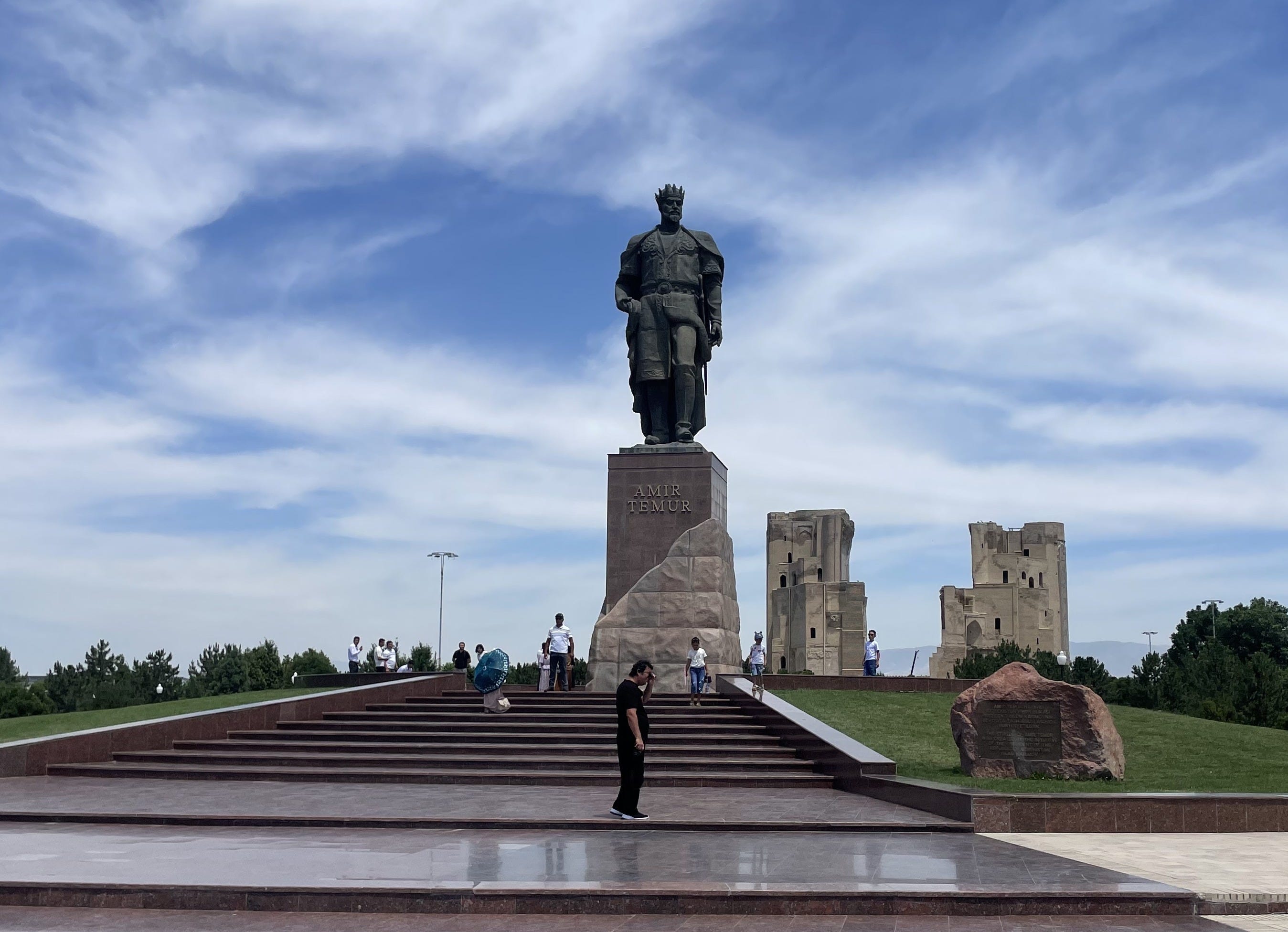
It reminded me of a conversation I had with an early editor of Wired who said the publication succeeded because they had a clear hero: the tech geek. Readers adored the publication for pulling pale nerds out of their basements and giving them god-like cover treatment. Even better had they constructed Timur-sized monuments! (Or are tech bros saving that for their next chapter???).
A great exercise in telling the story of any community — a country, a publication, even a company — is to ask yourself who your hero is. Do you have an answer?
Thank you for reading! We’ll be back next week with an interview with a talented communicator of ancient times. In the meantime, enjoy some of the absolutely insane stories about Timur that will make you shaketh in your boots.
So interesting to read about suzani’s and how makers leave mistakes in the pieces. It reminds me of “kintsugi” and “wabi-sabi” concepts from Japan — a country obsessed with imperfection.
If, “to err is human”, does this mean AI could be taking us further from what makes us human?